How to Update Your Mailing Address: A Florida Moving Guide
Updating your mailing address is one of the simplest—and most important—tasks after moving. Missing this step can lead to delayed bills, lost packages, missed government notices, and important financial documents being sent to your old home.
Start with USPS Mail Forwarding
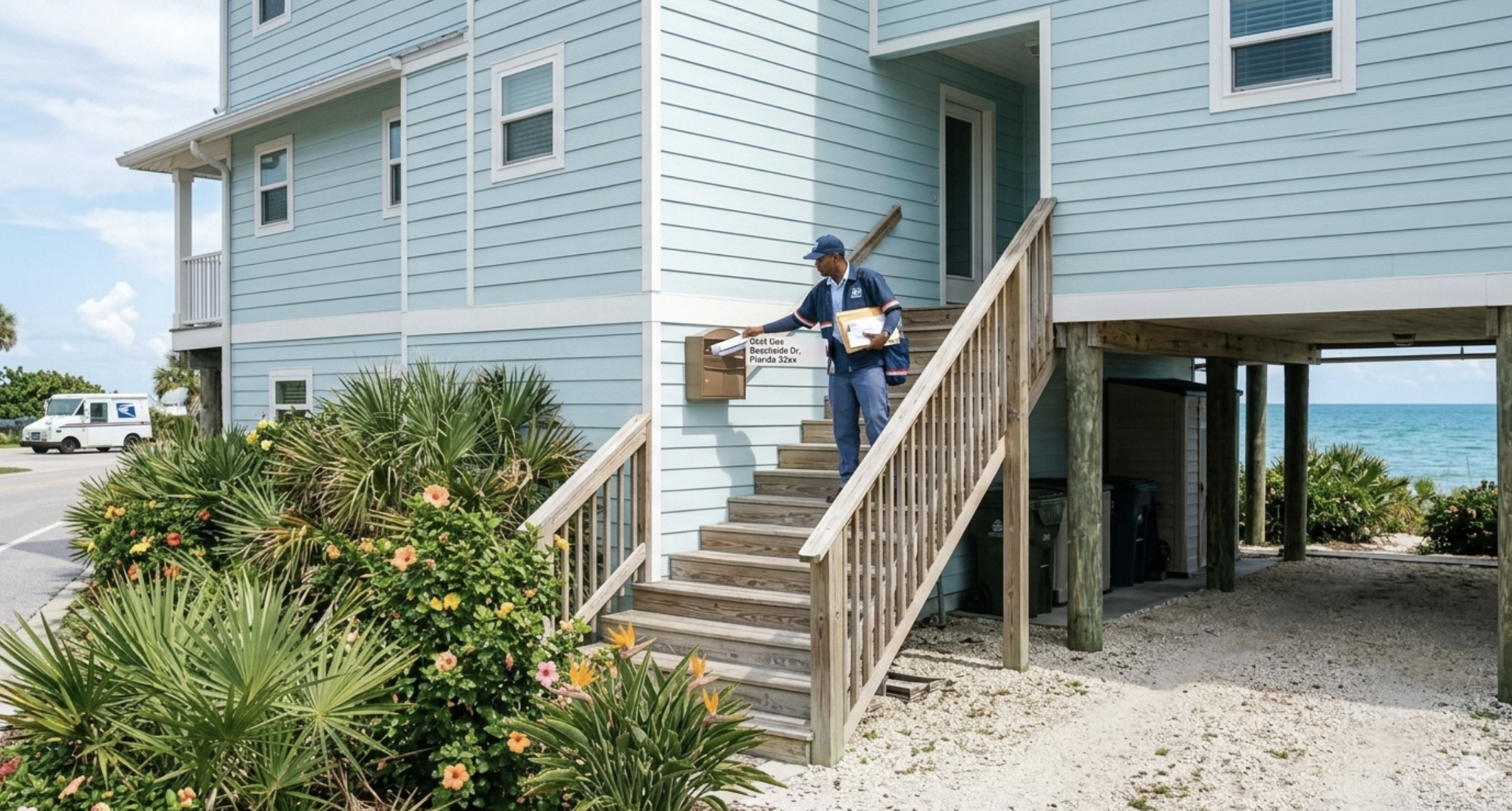
The first step after moving is setting up mail forwarding with the United States Postal Service (USPS).
Mail forwarding temporarily redirects eligible mail from your old address to your new one, giving you time to notify banks, employers, and other organizations of your new address.
Most First-Class Mail is forwarded for up to 12 months, while forwarding periods for magazines and other mail may vary.
Notify Your Employer
Make sure your employer has your new address for:
Payroll records
Tax documents (W-2 forms)
Employee benefits
Retirement plans
Emergency contact information
Updating your address promptly helps ensure important documents arrive on time.
Update Your Banks and Credit Cards
Notify all financial institutions, including:
Checking accounts
Savings accounts
Credit cards
Mortgage lender
Auto loans
Personal loans
Investment accounts
This helps protect against fraud and ensures statements and replacement cards are mailed to the correct address.
Update Insurance Policies
Be sure to update the address on your:
Auto insurance
Homeowners insurance
Renters insurance
Condo insurance
Flood insurance
Umbrella insurance
Boat or RV insurance
Your address can affect premiums, coverage, and policy eligibility, so it's important to notify your insurance company promptly after moving.
Notify Government Agencies
Depending on your situation, update your address with:
Social Security Administration
Internal Revenue Service (IRS)
Veterans Affairs (if applicable)
Florida voter registration
Florida driver's license
Vehicle registration
Many Florida residents complete several of these updates around the same time after establishing residency.
Update Your Healthcare Providers
Remember to notify your:
Primary care physician
Specialists
Dentist
Pharmacy
Health insurance provider
This helps prevent billing issues and ensures medical records remain current.
Update Online Shopping Accounts
Don't forget your favorite retailers and subscription services.
Common accounts include:
Amazon
Grocery delivery services
Meal delivery subscriptions
Streaming services
Online retailers
Subscription boxes
Updating these accounts helps prevent packages from being delivered to your previous address.
Create an Address Update Checklist
As you complete each update, keep a checklist.
Include:
USPS
Employer
Banks
Credit cards
Insurance companies
Driver's license
Vehicle registration
Voter registration
Healthcare providers
Utilities
Subscription services
Checking each item off as you go makes the process much less overwhelming.
Update Friends and Family
Finally, let friends, relatives, and anyone who regularly sends you mail know about your new address.
A quick message now can prevent lost birthday cards, holiday gifts, and important personal correspondence later.
Keep Your Insurance Up to Date
Moving is one of the biggest life events that can affect your insurance coverage. Whether you've purchased a new home, rented an apartment, or relocated your vehicles to Florida, it's a great time to review your policies.
The experienced advisors at Ted Todd Insurance can help ensure your homeowners, renters, condo, auto, flood, and umbrella insurance accurately reflects your new address and coverage needs.
Your Questions, Answered
-
As soon as possible after moving. Setting up USPS mail forwarding first helps ensure you don't miss important mail while updating your accounts.
-
No. Mail forwarding only redirects eligible mail. You'll still need to notify individual businesses, banks, government agencies, and service providers of your new address.
-
For most residential moves, First-Class Mail is forwarded for up to 12 months, while forwarding periods for other types of mail may differ.
-
Yes. Your address can affect premiums, policy eligibility, and available coverage. Notify your insurance company shortly after moving.
-
If you've recently become a Florida resident, you'll also need to obtain a Florida driver's license and register your vehicle within the required timeframes.