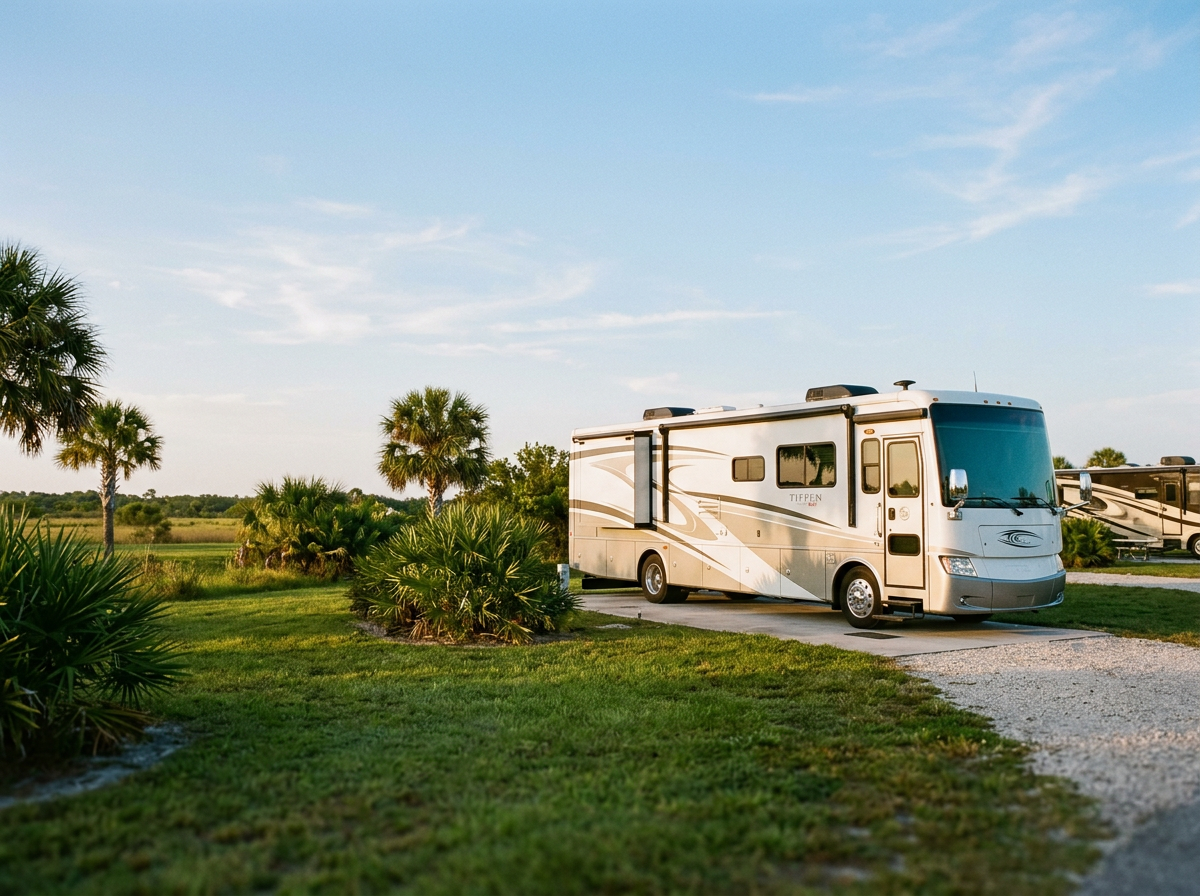
The Complete Florida RV & Motorhome Ownership Guide
Everything you need to know about buying, registering, maintaining, and protecting an RV or motorhome in Florida.
Is RV Ownership Right for You?
An RV can be a wonderful investment, but it's important to understand the responsibilities that come with ownership.
Before purchasing, consider:
How often you'll travel
Where you'll store your RV
Fuel costs
Maintenance expenses
Campground fees
Insurance
Financing
Towing needs (if applicable)
Choosing the right RV starts with understanding how you plan to use it.
Types of RVs
Class A Motorhomes- The largest and most luxurious motorhomes, designed for extended travel and full-time living.
Best for:
Long road trips
Full-time RV living
Large families
Class B Camper Vans- Compact and easy to drive, Class B motorhomes are ideal for couples and weekend travelers.
Best for:
Weekend trips
Solo travelers
Easy maneuverability
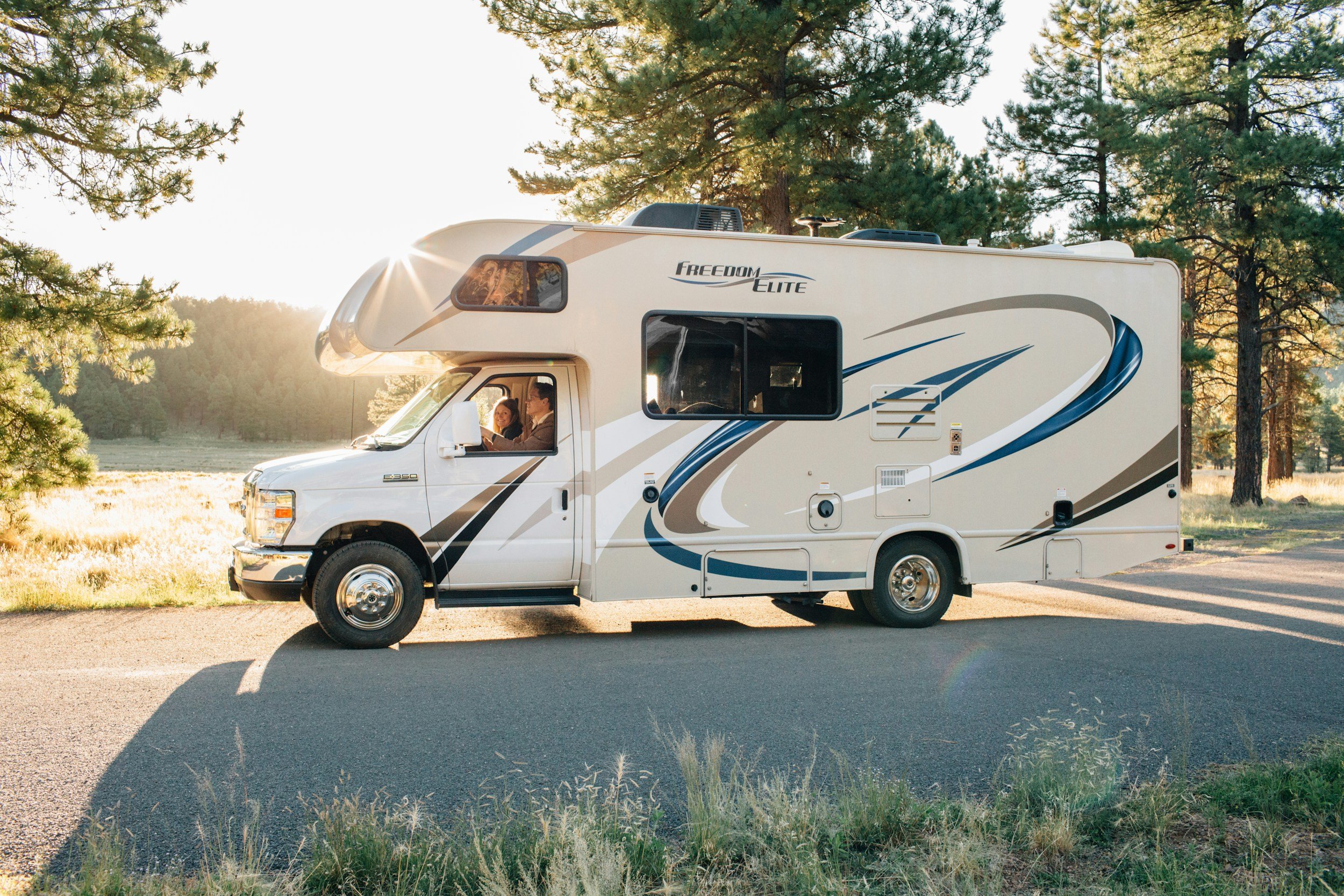
Class C Motorhomes- A popular middle ground offering more space than a camper van while remaining easier to drive than a Class A.
Best for:
Families
Vacation travel
First-time RV owners
Travel Trailers & Fifth Wheels- These towable RVs require a separate vehicle but often provide more living space for the price.
Best for:
Seasonal camping
Families
Longer campground stays
Buying New vs. Used
Both options have advantages.
New RV
Manufacturer warranty
Latest technology
Modern safety features
Customization options
Used RV
Lower purchase price
Less depreciation
More value for your budget
When buying a used RV, consider a professional inspection before making a purchase.
Registering Your RV in Florida
Motorhomes and towable RVs generally must be titled and registered with the Florida Department of Highway Safety and Motor Vehicles before they can be legally operated on public roads.
You'll typically need:
Proof of ownership
Florida title application
Valid identification
Proof of Florida insurance (for motorhomes)
Payment of registration fees and taxes
Do You Need a Special Driver's License?
For most recreational RV owners, Florida does not require a special driver's license to operate a privately owned RV, regardless of its size, as long as it is used for personal (non-commercial) purposes.
However, it's important to:
Know your vehicle's height and weight.
Practice driving before long trips.
Understand braking distances.
Plan routes that avoid low bridges.
Hurricane Preparedness
Florida RV owners should have a plan before hurricane season.
Consider:
Identifying a safe storage location
Monitoring weather forecasts
Securing outdoor equipment
Reviewing your insurance policy
Photographing your RV and belongings
Creating an evacuation plan
Maintaining Your RV
Routine maintenance can help keep your RV safe and road-ready.
Don't forget to:
Inspect tires regularly
Service the engine
Check roof seals
Test smoke and carbon monoxide detectors
Sanitize the water system
Service brakes
Check batteries
Winterize or prepare for long-term storage if needed
Preventive maintenance can help avoid costly repairs.
RV Insurance
Insurance requirements depend on the type of RV you own.
Motorhomes generally must carry insurance because they are self-propelled motor vehicles.
Towable travel trailers typically aren't required to carry separate liability insurance while being towed, though many owners choose additional coverage to protect the RV itself.
An RV insurance policy may help provide protection for:
Collision damage
Comprehensive damage
Theft
Personal belongings
Liability
Emergency expenses
Vacation liability
Full-time RV coverage (if applicable)
It’s Time to Protect Your RV.
Whether you're planning weekend camping trips or exploring the country full-time, your RV is both a vehicle and a home away from home. The advisors at Ted Todd Insurance can help you understand your coverage options, protect your investment, and make sure you're ready for wherever the road takes you.
Your Questions, Answered
-
In most cases, no. Florida does not require a special driver's license for privately owned recreational motorhomes used for personal travel.
-
If your RV is a motorhome, Florida generally requires it to be insured because it is a motor vehicle. Towable RVs may not be legally required to carry separate liability insurance, but additional coverage is often recommended to protect the RV and your belongings.
-
Many people do, but campground rules, zoning regulations, and homeowners association (HOA) restrictions vary by location. Research local regulations before planning full-time RV living.
-
New RVs offer warranties and modern features, while used RVs often provide better value. The right choice depends on your budget, travel goals, and comfort with maintenance.
-
Generally, no. While your homeowners policy may provide limited coverage for some personal belongings, it typically will not replace dedicated RV insurance.
-
Look for signs of water damage, roof leaks, tire wear, appliance functionality, maintenance records, and structural damage. A professional RV inspection is recommended for larger purchases.
-
Yes. Many banks, credit unions, and specialized lenders offer RV financing. Compare loan terms, interest rates, and total borrowing costs before making a decision.
-
In addition to the purchase price, owners should budget for fuel, maintenance, insurance, registration, campground fees, storage, and repairs.