
How to Open a Bank Account in Florida: A Complete Guide for New Residents
Opening a bank account is one of the first financial steps to take after moving to Florida. Whether you're relocating permanently, buying a second home, or starting a new job, having a local bank account can make paying bills, receiving direct deposits, and managing your finances much easier.
Do You Need a Florida Bank Account?
You aren't legally required to open a Florida bank account after moving. However, many new residents choose to do so because it can make everyday banking more convenient.
A Florida bank account can make it easier to:
Receive direct deposits
Pay your mortgage or rent
Set up automatic bill payments
Deposit checks locally
Build a relationship with a nearby bank
Access in-person banking services when needed
What You'll Need
Most banks will ask for:
A government-issued photo ID (such as a driver's license or passport)
Your Social Security number or Individual Taxpayer Identification Number (ITIN), if applicable
Proof of your current address
Your date of birth
An opening deposit (if required)
Some banks may request additional documentation depending on the type of account you open.
Choose the Right Type of Account
Most new residents open:
Checking Account
Best for everyday spending, paying bills, and direct deposits.
Savings Account
Ideal for building an emergency fund or saving toward future goals.
Money Market Account
Often offers higher interest rates while still allowing limited access to your funds.
Certificate of Deposit (CD)
May offer a higher interest rate if you're comfortable leaving your money untouched for a fixed period.
Compare Banks Before Opening an Account
Not all banks offer the same benefits.
Consider comparing:
Monthly maintenance fees
Minimum balance requirements
ATM availability
Mobile banking features
Interest rates
Branch locations
Customer service
Overdraft policies
Choosing a bank that fits your financial habits can save money over time.
Consider Local and National Banks
Florida offers a mix of national banks, regional banks, credit unions, and online banks.
National banks often provide:
Large ATM networks
Convenient branch locations
Extensive mobile banking tools
Community banks and credit unions may offer:
More personalized customer service
Competitive loan rates
Lower fees
Strong local relationships
The best choice depends on how you prefer to bank.
Protect Your Account
Good banking habits include:
Enabling account alerts
Using strong passwords
Monitoring transactions regularly
Turning on two-factor authentication
Reporting suspicious activity immediately
These simple steps can help reduce the risk of fraud.
Update Your Direct Deposit
Once your account is open, notify your employer of your new banking information if you receive direct deposit.
Also remember to update:
Automatic bill payments
Subscription services
Investment accounts
Retirement accounts
Payment apps
Tax refund information
Making these updates early helps avoid missed payments.
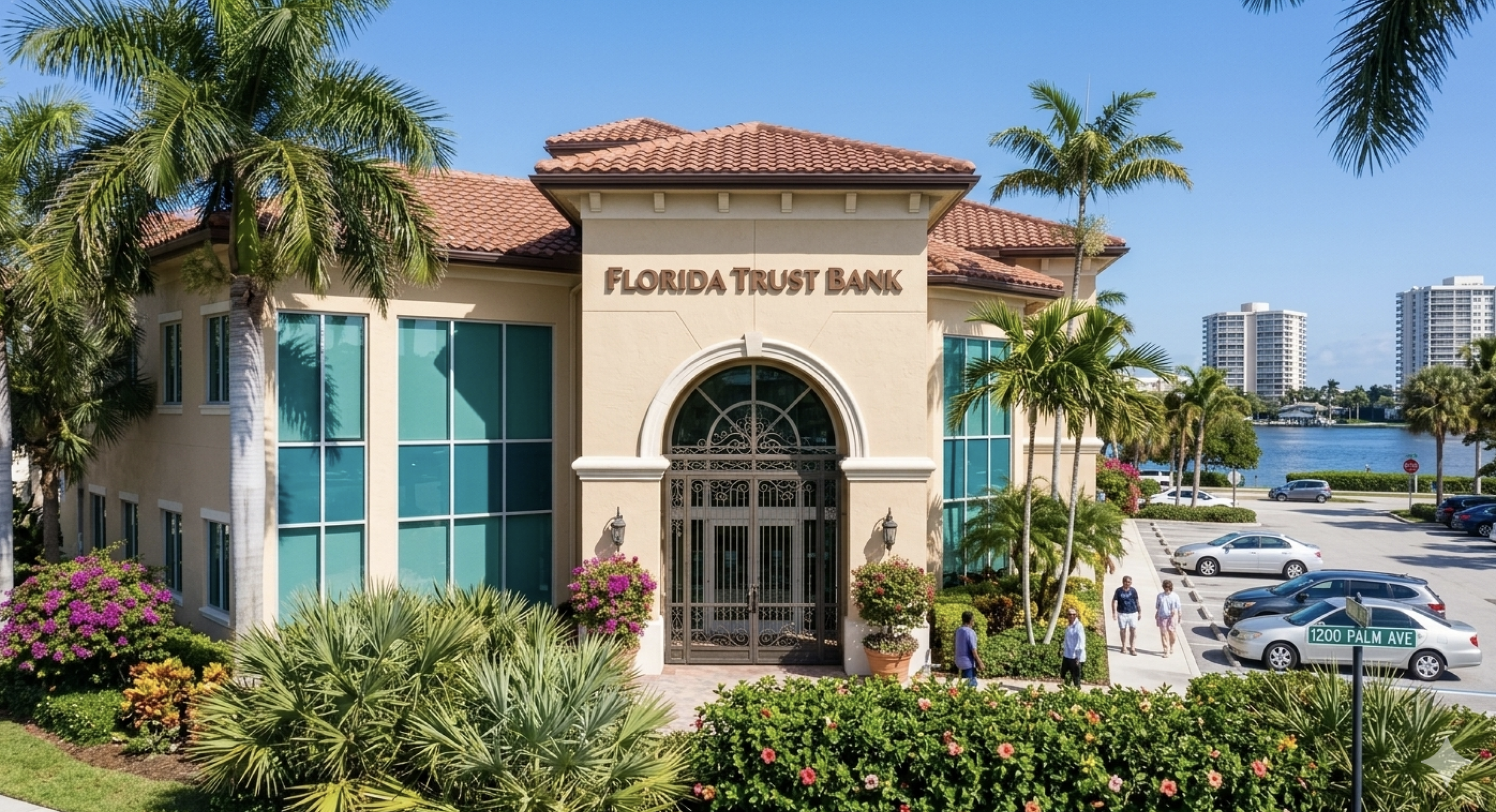


Complete Your Florida Financial Checklist.
Opening a bank account is just one step toward getting settled in Florida. As you establish your new financial life, it's also a good time to review your insurance coverage.
Whether you've purchased a home, moved your vehicles, or are renting for the first time in Florida, the experienced advisors at Ted Todd Insurance can help ensure your homeowners, renters, auto, flood, condo, and umbrella insurance fits your new needs.
Your Questions, Answered
-
Many banks allow you to open an account online before you move, although documentation requirements vary by institution.
-
Not always. Many banks accept other forms of government-issued identification, though requirements differ by bank.
-
Some accounts require no minimum opening deposit, while others may require an initial deposit or minimum balance.
-
If your current bank has branches and services that meet your needs in Florida, switching may not be necessary. However, comparing local options can help you find lower fees or better features.
-
Most deposits at FDIC-insured banks are protected up to applicable federal limits. Credit unions are similarly insured through the National Credit Union Administration (NCUA).