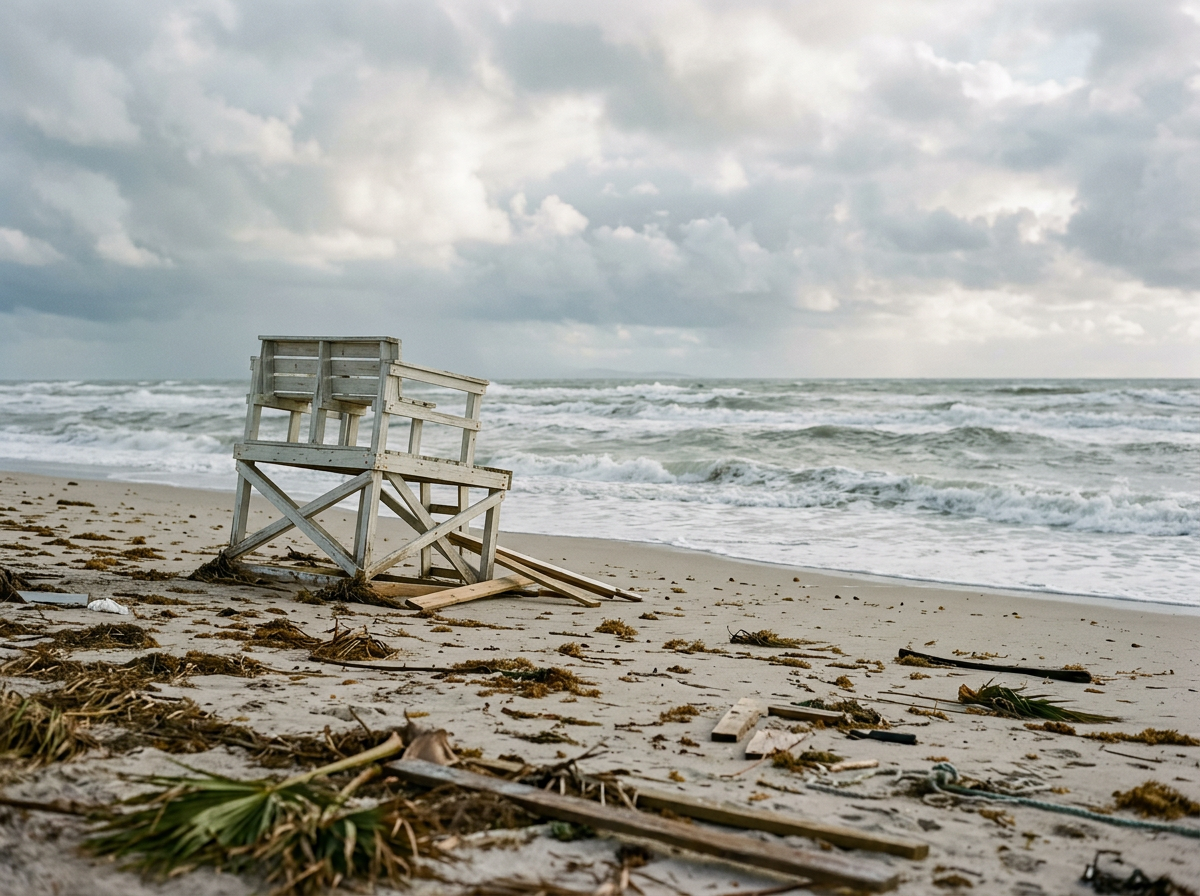
The Complete Florida Hurricane Preparedness Guide
Learn how to prepare your home, protect your family, and recover safely before, during, and after hurricane season.
Understanding Hurricane Season
Florida's hurricane season officially runs June 1 through November 30, with activity typically peaking between August and October. While not every storm makes landfall, it's important to prepare early rather than waiting until a storm is approaching.
Even tropical storms can produce dangerous winds, flooding, tornadoes, and prolonged power outages, making preparation essential regardless of where you live in the state.
Before Hurricane Season
The best time to prepare is before a storm is in the forecast. Consider taking these steps early:
Create an emergency plan for your household.
Build a hurricane supply kit.
Know your evacuation zone and nearby shelters.
Trim trees and secure outdoor furniture.
Inspect your roof and gutters.
Review your homeowners and flood insurance policies.
Photograph your home and valuables for insurance records.
Save important documents in both digital and waterproof formats.
Build a Hurricane Emergency Kit
Every household should have supplies to last at least several days.
Consider including:
Drinking water
Non-perishable food
Flashlights
Batteries
First aid supplies
Prescription medications
Cell phone chargers and backup batteries
Battery-powered weather radio
Cash
Pet supplies
Important documents
Hygiene products
Review your supplies each year and replace expired items.
Protecting Your Home
Preparing your home can reduce damage during severe weather.
Helpful projects include:
Installing storm shutters or impact-resistant windows
Reinforcing garage doors
Cleaning gutters and drains
Bringing outdoor furniture indoors
Securing propane tanks
Checking your roof for loose shingles
Testing generators safely
Understanding your home's wind mitigation features
Small improvements today may help reduce both storm damage and insurance costs.

During a Hurricane
If local officials issue evacuation orders, follow them immediately.
If you are sheltering in place:
Stay indoors and away from windows.
Monitor weather updates from trusted sources.
Keep phones charged.
Avoid driving through flooded roads.
Never operate generators inside your home or garage.
Your personal safety should always come first.
Know your Insurance Coverage
Many homeowners don't review their insurance until after a storm has caused damage. Before hurricane season begins, take time to understand:
Your hurricane deductible
Windstorm coverage
Flood insurance
Personal property limits
Additional living expense coverage
Coverage for detached structures
Documentation needed for future claims
Knowing what your policy covers before a storm can help avoid surprises later.
Your Questions, Answered
-
Hurricane season runs from June 1 through November 30, with the highest activity typically occurring between August and October.
-
No. Evacuation decisions depend on the storm and where you live. Always follow guidance from your local emergency management officials.
-
Most Florida homeowners insurance policies cover wind damage, but hurricane deductibles and policy exclusions vary. Flood damage is generally not covered by standard homeowners insurance.
-
Flooding can occur from storm surge and heavy rainfall—even outside high-risk flood zones. Many homeowners choose flood insurance because flood damage is excluded from standard homeowners policies.
-
Many Florida insurance policies include a separate hurricane deductible that applies when a hurricane causes covered damage. This deductible is often calculated as a percentage of your home's insured value rather than a fixed dollar amount.
-
Ideally, preparations should begin before hurricane season starts. Waiting until a storm is approaching can make supplies harder to find and limit your preparation options.
-
Store copies digitally in secure cloud storage and keep physical originals in a waterproof, portable container.
-
Yes. Taking photos or videos of your home's condition before hurricane season can make it easier to document damage if you ever need to file an insurance claim.