The Complete Florida Wind Mitigation Inspection Guide
Learn how a Florida wind mitigation inspection works, what inspectors look for, and how it could help reduce your homeowners insurance premium.
What Is a Wind Mitigation Inspection?
A wind mitigation inspection is a specialized home inspection that evaluates how well your home is designed to withstand high winds and hurricanes.
Unlike a general home inspection, a wind mitigation inspection focuses specifically on construction features that may reduce wind damage.
After the inspection, you'll receive an official report that can be submitted to your insurance company to determine whether your home qualifies for available wind mitigation credits.
Why Is It Important?
A wind mitigation inspection can potentially:
Lower your homeowners insurance premium
Document hurricane-resistant construction features
Identify opportunities for future upgrades
Help you better understand your home's storm protection
Not every home qualifies for every discount, but many Florida homeowners are surprised to learn they may already have qualifying features.
What Does the Inspector Look For?
A licensed inspector evaluates several key areas of your home, including:
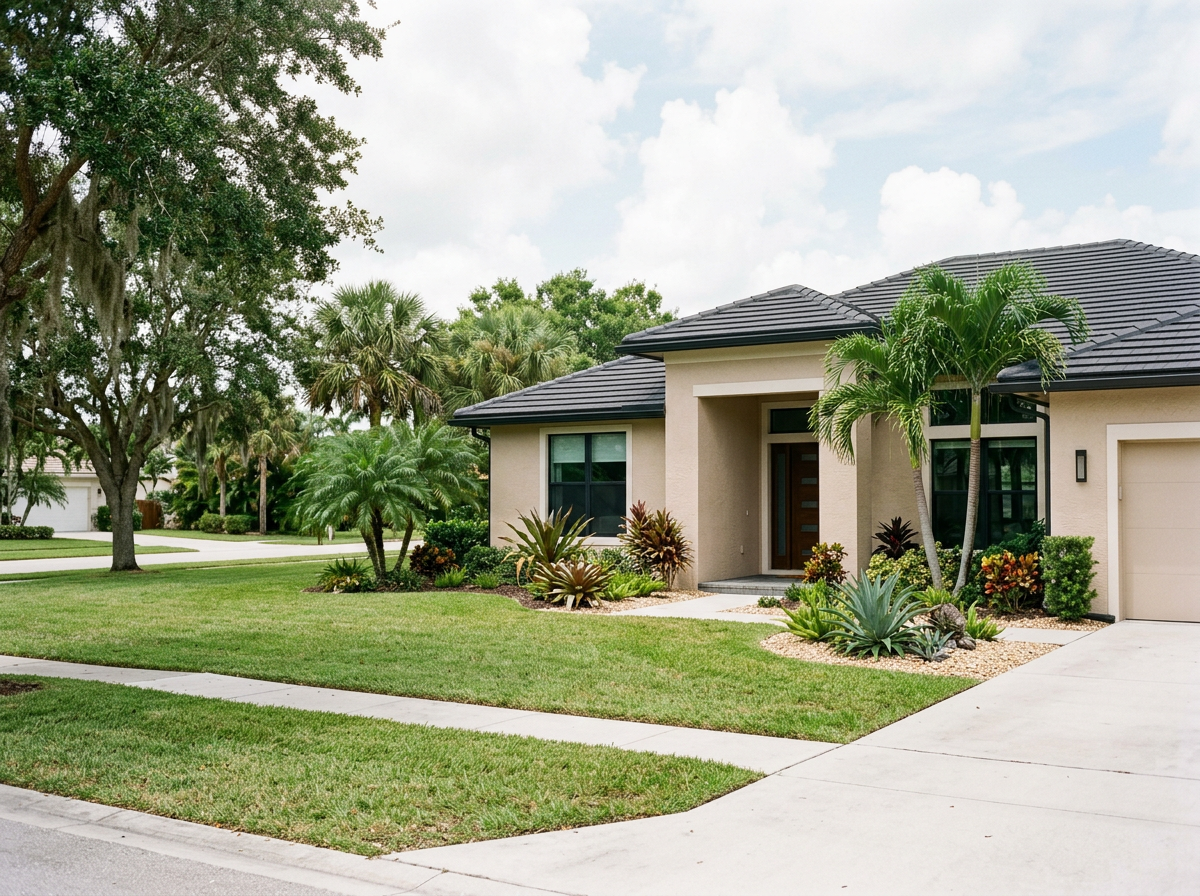
Roof Shape- Certain roof designs—such as hip roofs—generally perform better during high winds than other roof types.
Roof Covering- The inspector documents:
Roof age
Roofing material
Building code compliance
Roof-to-Wall Connections- One of the most important parts of the inspection. The inspector determines how your roof is attached to the walls of your home.
Common connection types include:
Toe nails
Clips
Single wraps
Double wraps
Generally, stronger roof-to-wall connections may qualify for greater insurance credits.
Roof Deck Attachment- The inspector examines how the roof sheathing is attached to the roof framing.
This often involves checking:
Nail size
Nail spacing
Installation method
Homes with stronger roof deck attachment may qualify for additional discounts.
Secondary Water Resistance- Some homes include an additional moisture barrier beneath the roof covering that may reduce water intrusion if the roof is damaged during a storm.
Opening Protection- The inspector checks whether windows, doors, garage doors, skylights, and other openings have approved impact protection or hurricane shutters.
Protected openings may qualify for additional credits.
Can a Wind Mitigation Inspection Lower My Insurance Premium?
Potentially, yes.
Many Florida insurance companies offer discounts for qualifying wind-resistant features. The amount you save depends on:
Your home's construction
The wind mitigation features present
Your insurance company
Your home's location
Some homeowners see modest savings, while others experience more significant reductions. The exact discount varies by insurer.
How Long Does the Inspection Take?
Most wind mitigation inspections take between 30 minutes and one hour, depending on the size and accessibility of the home.
Inspectors may need access to your attic, garage, and exterior roof features.

Can I Improve My Results?
If your home doesn't qualify for every available credit, improvements may help.
Examples include:
Strengthening roof-to-wall connections
Improving roof deck attachment
Installing a secondary water barrier during roof replacement
Upgrading to impact-rated windows and doors
Installing approved hurricane shutters
Reinforcing garage doors
Some improvements may not only increase your home's resilience but could also qualify for additional insurance discounts.

Who Can Perform a Wind Mitigation Inspection?
Florida law allows certain licensed professionals to perform wind mitigation inspections, including qualified:
Home inspectors
General contractors
Building inspectors
Engineers
Architects
Always verify that your inspector is properly licensed and experienced with Florida wind mitigation inspections.
It’s Time to Save.
A wind mitigation inspection is one of the simplest ways to determine whether your home qualifies for homeowners insurance discounts. Once your inspection is complete, the advisors at Ted Todd Insurance can review your report, explain how the findings affect your coverage, and help ensure you're receiving every wind mitigation credit available through your insurance carrier.
Your Questions, Answered
-
A wind mitigation inspection focuses on construction features that help protect your home from hurricane-force winds and may qualify you for insurance discounts. A four-point inspection evaluates the condition of four major home systems—roof, electrical, plumbing, and HVAC—and is commonly required for older homes when obtaining insurance.
-
Not always. Many homeowners choose to have one because it may qualify them for insurance credits, even when it isn't required by their insurance company.
-
Inspection fees vary depending on the inspector, location, and size of the home. Many homeowners find that potential insurance savings may offset the cost over time.
-
Most insurance companies accept wind mitigation reports for up to five years, provided no significant changes have been made to the home. Always confirm your insurer's requirements.
-
Yes. Even older homes may qualify if they've been updated with features such as improved roof attachments, impact-resistant openings, or newer roofing systems.
-
Not necessarily. While a newer roof may improve your home's eligibility for certain credits, the discounts depend on the specific construction features documented during the inspection.
-
Yes. Properly installed, code-approved hurricane shutters may qualify as opening protection and could contribute to insurance credits, depending on your home's overall protection.
-
Submit your completed wind mitigation report to your insurance agent or carrier. They can review the findings and determine whether your home qualifies for premium discounts.