The Complete Florida Four-Point Inspection Guide
Learn what a four-point inspection is, why insurance companies require one, and what inspectors evaluate before issuing or renewing a homeowners insurance policy.
What Is a Four-Point Inspection?
A four-point inspection is a limited inspection that evaluates the condition of a home's four primary systems:
Roof
Electrical
Plumbing
Heating & Air Conditioning (HVAC)
Insurance companies often request this inspection for older homes because these systems represent many of the most common and costly insurance claims.
Unlike a full home inspection, a four-point inspection is performed specifically for insurance underwriting purposes.
Why Do Insurance Companies Require One?
As homes age, the likelihood of system failures generally increases.
A four-point inspection helps insurance companies understand the condition of the home's major systems and determine whether repairs or updates may be needed before issuing or renewing coverage.
Not every home requires one, but many insurers request a four-point inspection for homes that are approximately 20 to 30 years old or older, depending on the insurance company and the property's condition.
What Does the Inspector Evaluate?
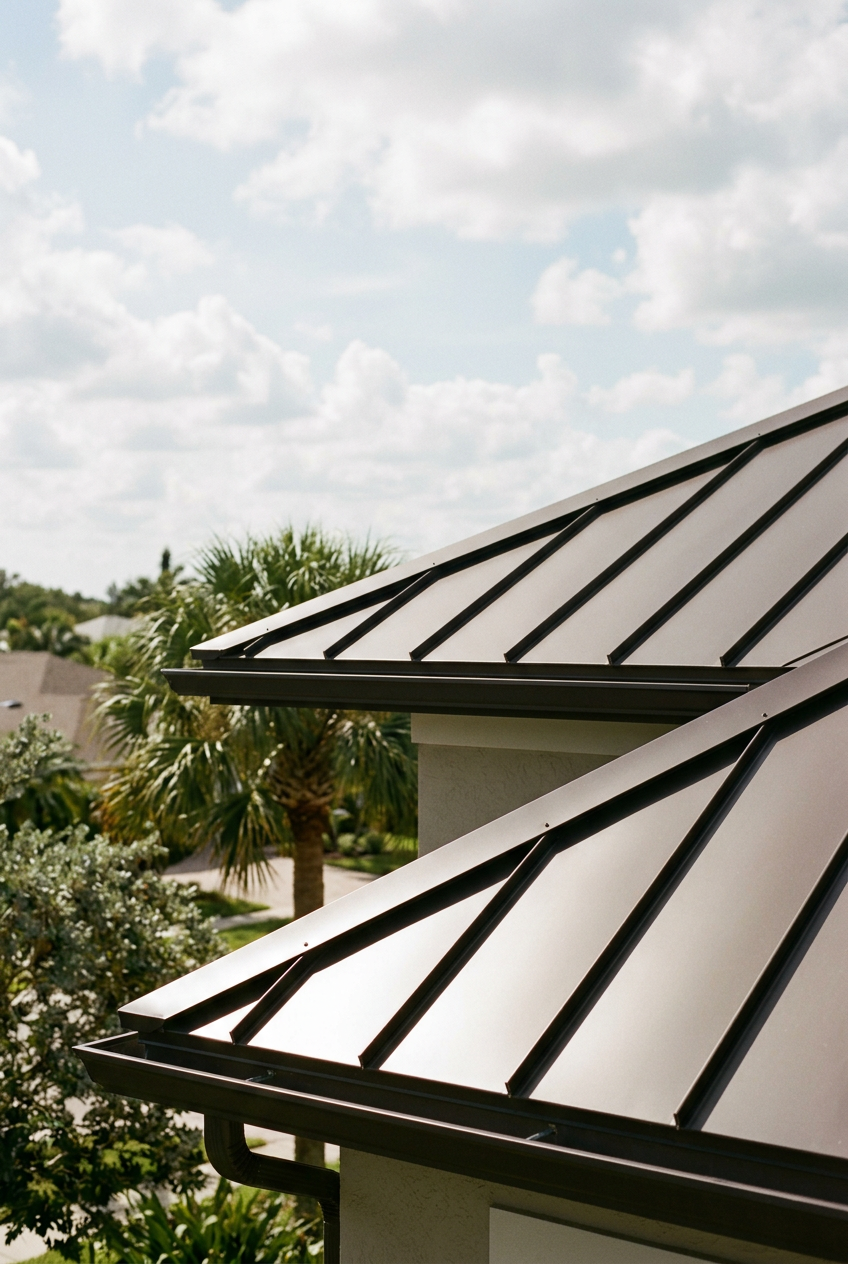
Roof- The inspector documents:
Roof age
Roofing material
Overall condition
Visible damage
Estimated remaining useful life
Signs of leaks or repairs
A roof nearing the end of its useful life may affect insurance eligibility.
Electrical System- The electrical inspection typically includes:
Main electrical panel
Wiring type
Breakers
Service capacity
Visible hazards
Older electrical systems or certain panel manufacturers may require repairs or replacement before coverage can be issued.
Plumbing System- The inspector evaluates:
Supply piping
Drain lines
Water heater
Visible leaks
Signs of corrosion
Plumbing materials
Leaks or outdated plumbing materials may increase the risk of water damage claims.
Heating & Air Conditioning (HVAC)- The HVAC portion includes:
Heating system
Air conditioning system
Overall condition
Approximate age
Visible deficiencies
Properly functioning HVAC systems help reduce the risk of equipment failures and water damage.
Common Reasons Homes Don't Pass
While every insurance company has its own underwriting guidelines, common concerns include:
Roofs nearing the end of their useful life
Active roof leaks
Federal Pacific or Zinsco electrical panels
Knob-and-tube or aluminum branch wiring (depending on updates and underwriting guidelines)
Polybutylene plumbing
Active plumbing leaks
Non-functioning HVAC systems
Many of these issues can be corrected, allowing homeowners to obtain or maintain insurance coverage.
How Is a Four-Point Inspection Different from a Wind Mitigation Inspection?
Although they're often performed during the same appointment, they serve different purposes.
Four-Point Inspection- A four-point inspection focuses on the overall condition and insurability of your home's major systems.
It evaluates:
Roof condition and remaining useful life
Electrical system
Plumbing system
Heating & Air Conditioning (HVAC)
Purpose: Helps insurance companies determine whether a home qualifies for homeowners insurance coverage.
Wind Mitigation Inspection- A wind mitigation inspection focuses on how well your home is built to withstand hurricanes and high winds.
It evaluates:
Roof-to-wall connections
Roof deck attachment
Roof covering
Roof shape
Secondary water resistance
Hurricane shutters and impact-resistant windows and doors
Purpose: Helps determine whether your home qualifies for wind mitigation discounts that may lower your homeowners insurance premium.
What Happens After the Inspection?
Once complete, you'll receive a four-point inspection report.
Your insurance company reviews the report to determine:
Whether the home qualifies for coverage
Whether repairs are needed
Whether additional documentation is required
Whether policy terms may be affected
If issues are identified, your insurer may ask that repairs be completed before issuing or renewing your policy.
It’s Time to Review Your Inspection.
If you've completed a four-point inspection—or you're preparing to schedule one—the advisors at Ted Todd Insurance can help you understand how the report may affect your homeowners insurance options. We can review your inspection, explain any underwriting concerns, and help you explore coverage solutions that fit your home.
Your Questions, Answered
-
No. A standard home inspection evaluates nearly every accessible part of a home. A four-point inspection focuses only on the roof, electrical, plumbing, and HVAC systems for insurance purposes.
-
Not always. Many insurance companies require one for older homes before issuing or renewing a homeowners insurance policy.
-
Most inspections take 30 to 60 minutes, depending on the size and condition of the home.
-
Pricing varies by inspector and location. Many companies offer discounted pricing when a four-point inspection is scheduled with a wind mitigation inspection.
-
Unlike a school exam, there isn't an official "pass" or "fail." The inspector simply documents the condition of the home's systems. Your insurance company then decides whether repairs or updates are required before offering coverage.
-
Yes. Replacing an aging roof, updating outdated electrical panels, repairing plumbing leaks, or servicing an HVAC system may improve your home's insurability.
-
If you're a Florida homeowner, it's often a good idea. While a four-point inspection helps determine eligibility for insurance, a wind mitigation inspection may help you qualify for homeowners insurance discounts.
-
Requirements vary by insurance company, but many insurers accept reports that are up to 12 months old. Check with your insurance carrier for their specific underwriting guidelines.