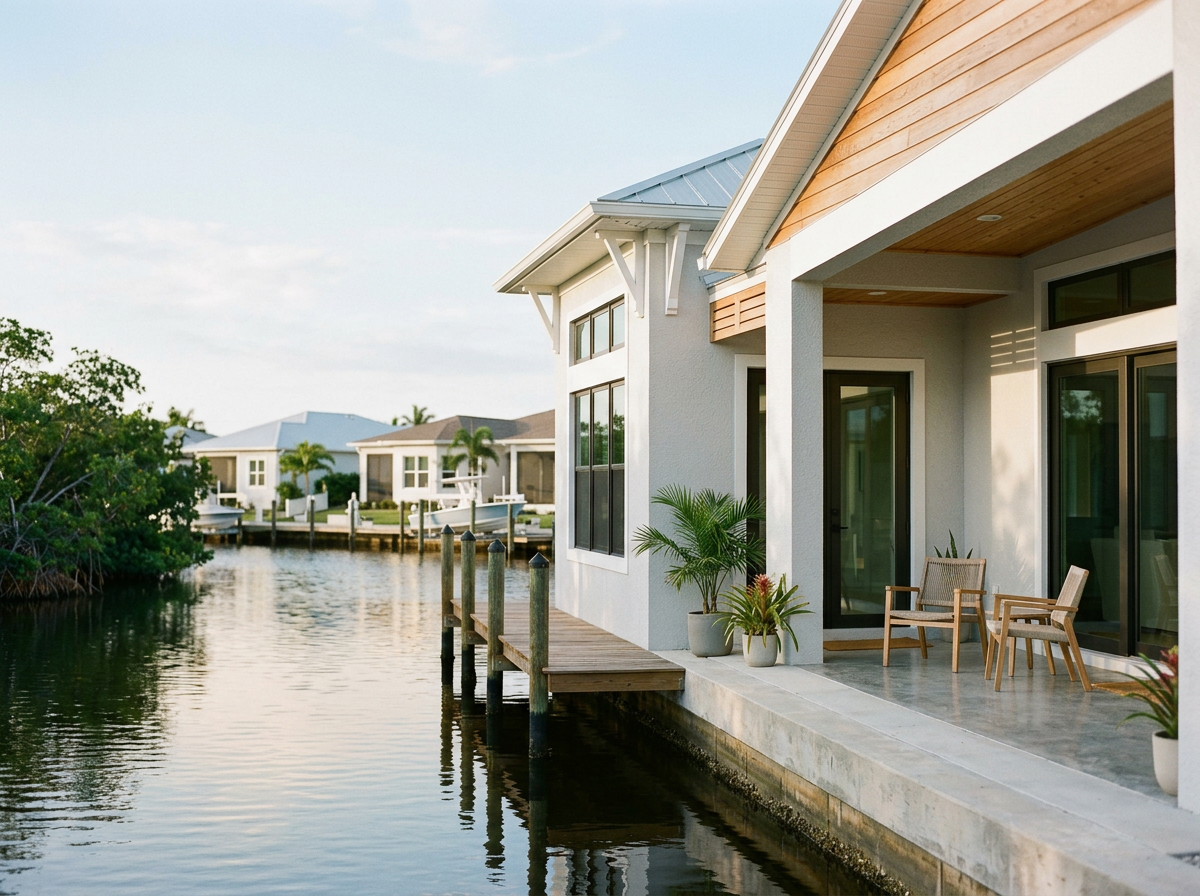
The Complete Flood Insurance Guide
Many people are surprised to learn that standard homeowners insurance does not cover flood damage. Whether you're buying your first Florida home or have lived here for years, understanding your flood risk and your insurance options is an important part of protecting your investment.
Understanding Flood Risk
Flooding can happen almost anywhere in Florida—not just along the coast. Heavy rainfall, hurricanes, overflowing lakes and rivers, and poor drainage can all cause flooding. While FEMA flood maps identify higher-risk areas, many flood insurance claims come from properties located outside high-risk flood zones.
Knowing your property's flood zone is a great first step, but it shouldn't be the only factor in deciding whether flood insurance makes sense for your home.
Ways to Lower Your Flood Risk
While you can't control the weather, you can reduce your home's exposure by:
Keeping gutters and drains clear
Improving drainage around your property
Elevating utilities when possible
Installing flood vents where appropriate
Using flood-resistant building materials during renovations
Understanding your evacuation zone before hurricane season
Do I Need Flood Insurance?
Flood insurance may be required if your home is located in a high-risk flood zone and your mortgage is backed by a federally regulated lender. Even if it isn't required, many Florida homeowners choose to purchase flood insurance because flood damage can be expensive and unpredictable.
The right decision depends on your property's location, elevation, flood history, and your personal financial comfort with risk.
What Does Flood Insurance Cover?
Flood insurance generally helps pay for damage caused by rising water entering your home from outside. Coverage may include:
Your home's structure
Electrical and plumbing systems
HVAC equipment
Water heaters
Built-in appliances
Flooring and permanently installed carpeting
Personal belongings (if contents coverage is selected)
Coverage limits and exclusions vary by policy.
What Isn't Covered?
Flood insurance typically does not cover:
Damage from sewer backups unless directly caused by flooding
Temporary housing expenses
Landscaping
Swimming pools
Patios and decks
Vehicles
Certain valuables above policy limits
Understanding what's excluded is just as important as knowing what's covered.
Need Help Choosing Flood Insurance?
Understanding your flood risk is one thing—choosing the right coverage is another. Whether you're required to carry flood insurance or simply want peace of mind, the team at Ted Todd Insurance can help you compare your options, understand your coverage, and find a policy that fits your home and budget.
Your Questions, Answered
-
No. Standard homeowners insurance policies generally do not cover flood damage caused by rising water.
-
Possibly. Many flood claims occur outside of designated high-risk flood zones.
-
It may be required if your home is located in a high-risk flood area and your mortgage lender requires it.
-
Many flood insurance policies have a waiting period before coverage becomes effective, although certain exceptions may apply.
-
Yes. You generally don't have to wait until hurricane season to purchase coverage, and many homeowners choose to buy before storms are approaching.
-
FEMA creates flood maps, manages the National Flood Insurance Program, and coordinates disaster response. Flood insurance is the policy that helps pay for covered flood damage.
-
Yes. Renters can purchase contents-only flood insurance to help protect their personal belongings.
-
You can look up your property's flood zone using FEMA's Flood Map Service Center or ask your insurance advisor for assistance.
Continue Your Florida Journey
After learning about flood insurance, you may also find these guides helpful:
The Complete Hurricane Preparedness Guide
The Complete Homeowners Insurance Guide
The Complete Wind Mitigation Guide
The Complete Florida Homestead Exemption Guide
The Complete Florida Insurance Review Guide
This page serves both homeowners who are required to carry flood insurance and those who simply want to understand their options, making it a valuable educational resource while naturally connecting readers to related Florida homeownership topics.