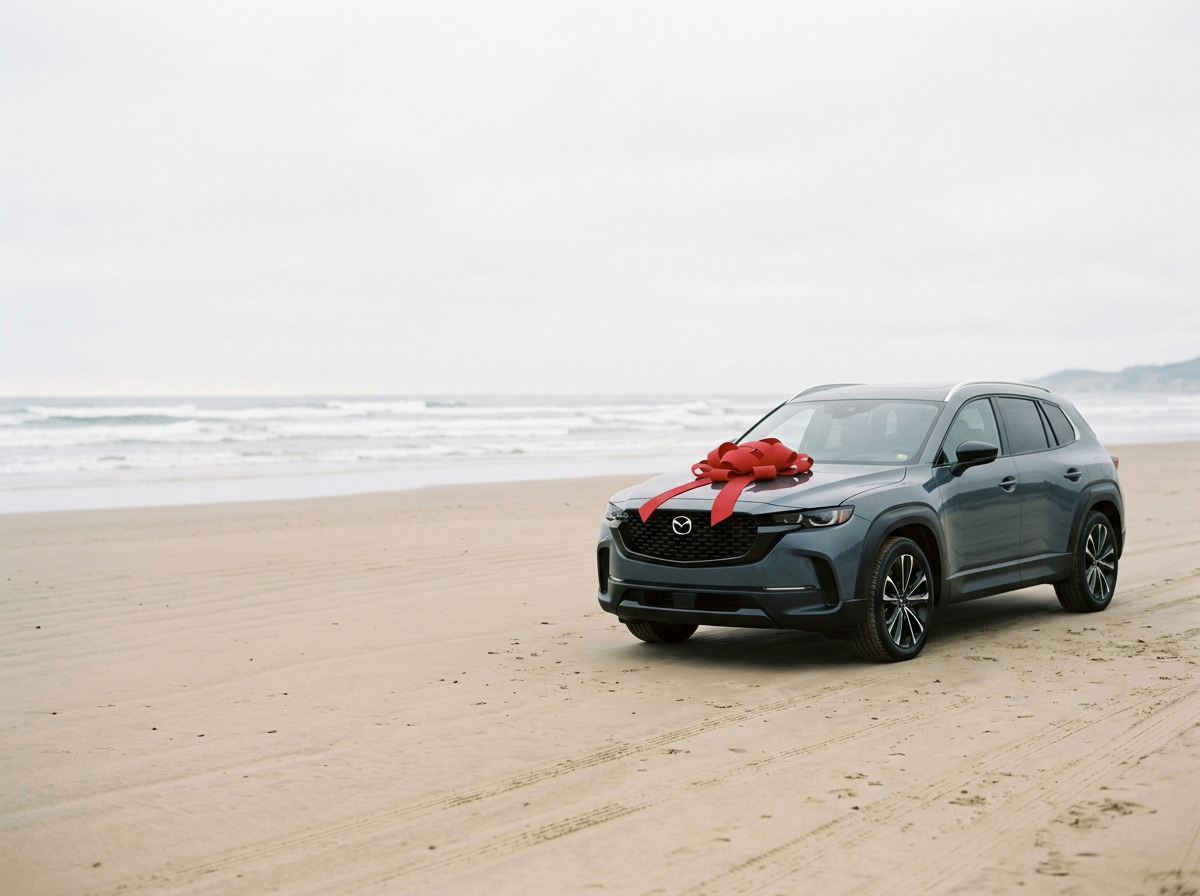
The Complete Guide to Buying Your First Car
Everything first-time buyers need to know before purchasing a vehicle—from budgeting and financing to insurance and registration.
Determine Your Budget
Before shopping, decide how much you can comfortably afford.
Consider:
Down payment
Monthly payment
Insurance
Fuel
Maintenance
Registration fees
Taxes
Unexpected repairs
Remember that the purchase price is only part of the total cost of ownership.
If you've recently moved to Florida, obtaining a Florida driver's license is one of the first steps toward establishing residency. Most new residents should transfer their out-of-state license after making Florida their permanent home. Before visiting a driver license office, make sure you have the required documents, including proof of identity, your Social Security number, and two documents showing your Florida residential address. Many locations allow appointments, which can help reduce wait times.
New vs. Used
Both options have advantages.
New Vehicle
Latest safety features
Manufacturer warranty
Lower maintenance early on
Used Vehicle
Lower purchase price
Slower depreciation
Lower insurance premiums in many cases
The right choice depends on your budget and priorities.
Financing Your Vehicle
If you're financing your purchase, compare offers from:
Banks
Credit unions
Dealerships
Online lenders
Pay attention to:
Interest rate (APR)
Loan length
Monthly payment
Total cost of the loan
Vehicle History Reports
When purchasing a used vehicle, review its history.
Look for:
Previous accidents
Flood damage
Salvage titles
Odometer issues
Number of previous owners
Insurance
Before driving home, you'll need insurance.
Review:
Liability coverage
Comprehensive
Collision
Uninsured Motorist
Roadside Assistance
Getting quotes before purchasing can help you avoid surprises.
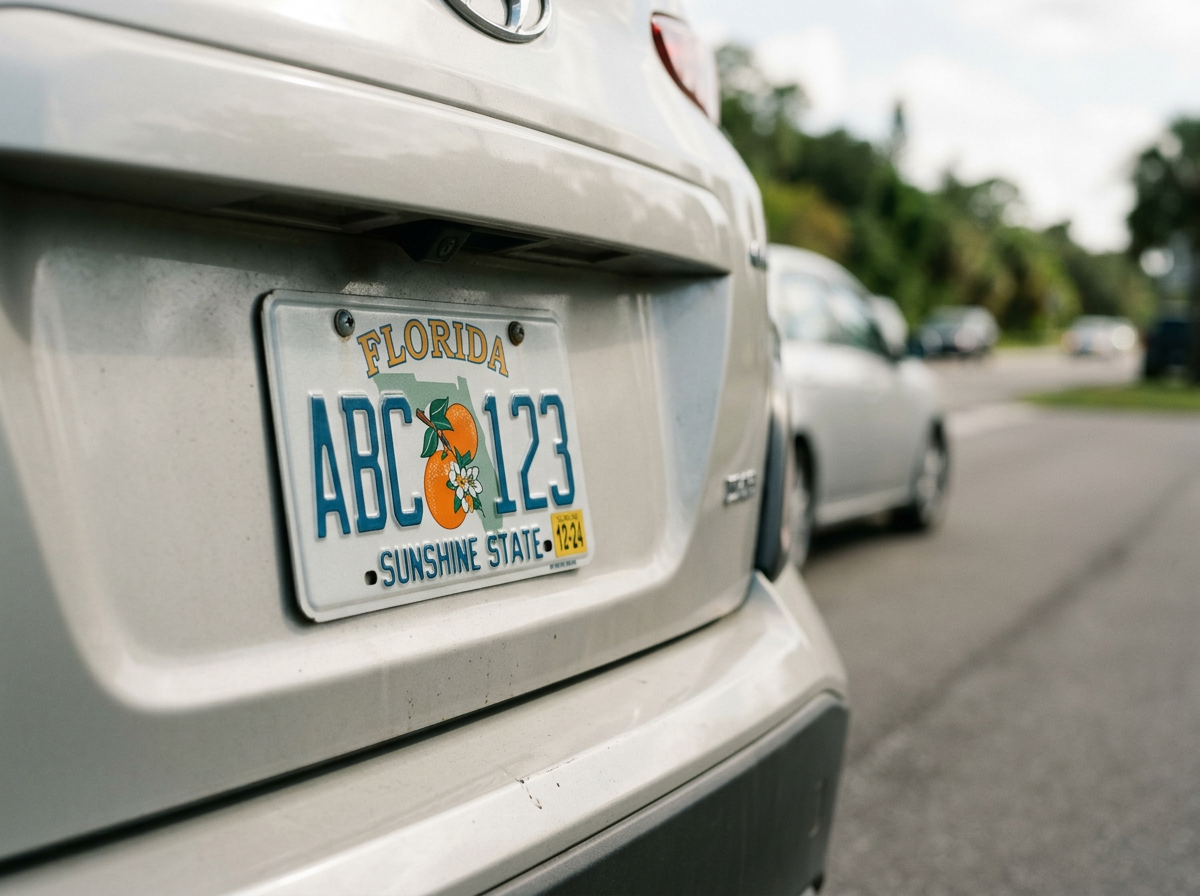

Understanding Dealer Fees
In addition to the purchase price, you may encounter documentation fees, title fees, registration fees, sales tax, and dealer-installed add-ons. Before signing, ask for the out-the-door price, which includes all taxes and fees.
Common First-Time Car Buying Mistakes
Shopping based only on the monthly payment.
Skipping a vehicle history report.
Not comparing insurance quotes.
Forgetting to budget for maintenance and registration.
Rushing into a purchase without comparing multiple vehicles.
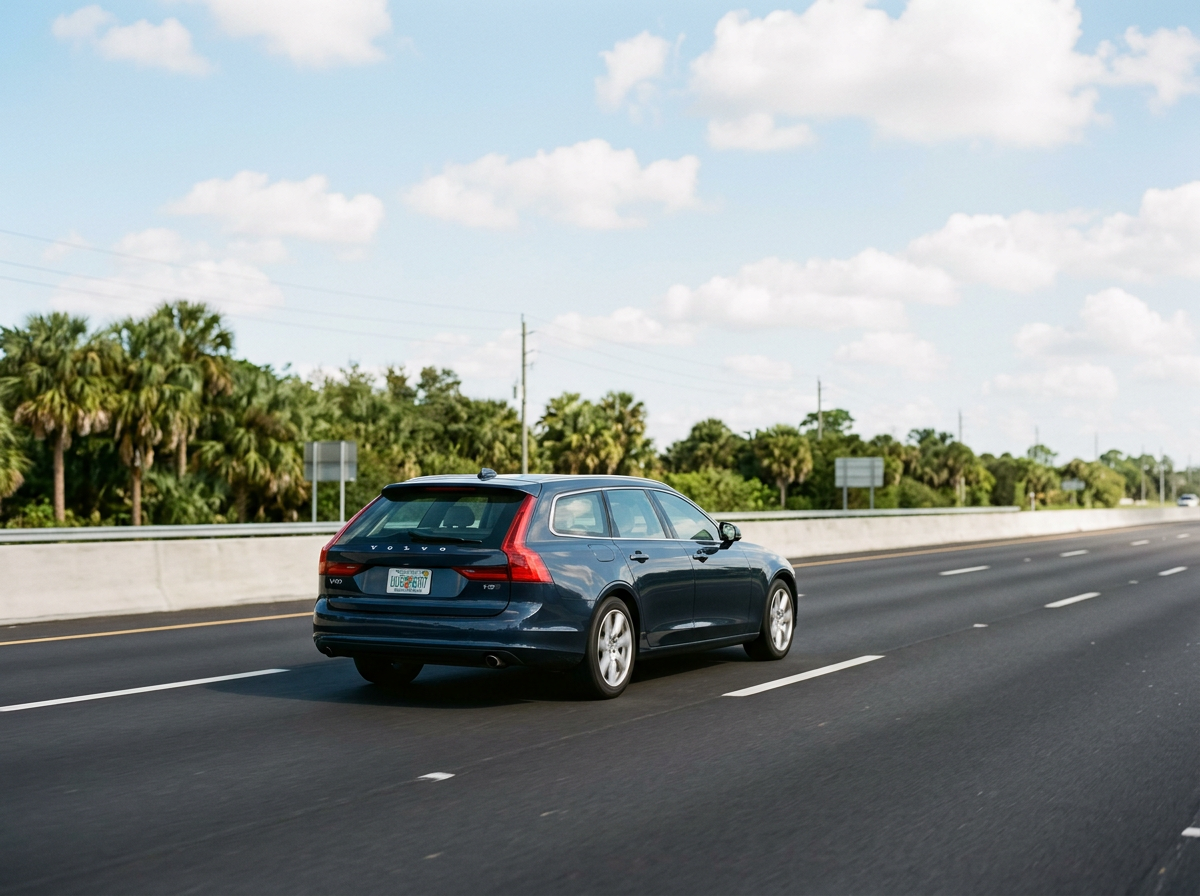
Registering Your Vehicle
After purchasing your vehicle you'll need to:
Transfer the title
Register the vehicle
Obtain license plates (if needed)
Maintain Florida insurance

Test Drive Tips
Check the brakes and steering.
Listen for unusual noises.
Test the air conditioning and technology.
Make sure the vehicle feels comfortable.
If buying used, consider an independent mechanic's inspection

Need Auto Insurance?
Buying your first vehicle is the perfect time to review your insurance options.

Drive With Confidence.
Whether you're commuting to work, taking road trips, or simply running errands around town, the right auto insurance helps protect you, your passengers, and your financial future. From liability and collision coverage to comprehensive protection and uninsured motorist coverage, having the right policy can provide valuable peace of mind every time you get behind the wheel.
The experienced advisors at Ted Todd Insurance can review your auto, umbrella, home, and flood insurance options to help ensure your coverage fits your needs, lifestyle, and budget.
Your Questions, Answered
-
Choose a vehicle that fits comfortably within your budget after accounting for insurance, fuel, maintenance, taxes, and registration. Many financial experts recommend avoiding a monthly payment that strains your overall finances, leaving room for unexpected expenses.
-
There isn't a one-size-fits-all answer. New cars often come with the latest safety features and manufacturer warranties but generally cost more and depreciate faster. Used vehicles can provide excellent value, especially if they've been well maintained and inspected before purchase.
-
Yes. Getting pre-approved helps you understand how much you can afford, compare financing offers, and negotiate with confidence at the dealership.
-
A larger down payment can reduce your monthly payment and the total amount of interest you pay over the life of the loan. If possible, many buyers aim to put down at least 10–20% of the purchase price, though requirements vary depending on the lender and your financial situation.
-
Fees vary depending on the type of license and your circumstances. Check the current fee schedule on the official FLHSMV website before your appointment.
-
In most cases, yes. You'll generally need proof of insurance before driving your new vehicle off the lot or registering it. If you're financing the vehicle, the lender will likely require comprehensive and collision coverage in addition to any state minimum requirements.
-
Dealerships often provide financing options, warranties, and handle much of the paperwork. Private sellers may offer lower prices, but buyers are responsible for carefully reviewing the vehicle's condition, ownership documents, and title status.
-
Review the vehicle's maintenance history, obtain a vehicle history report, inspect the title for liens or branding, test drive the vehicle, and consider having it inspected by an independent mechanic before making a purchase.
-
The Vehicle Identification Number (VIN) is a unique 17-character code assigned to every vehicle. It can be used to verify ownership, review accident history, check for recalls, and confirm that the vehicle matches its title and registration documents.
-
Insurance premiums depend on many factors, including your age, driving history, vehicle type, location, and coverage choices. Comparing quotes, maintaining a clean driving record, bundling policies, and selecting a vehicle with strong safety ratings may help reduce costs.
-
Requirements vary, but you'll commonly need:
A valid driver's license
Proof of insurance
Proof of income (for financing)
Proof of residence
Down payment or financing approval
Trade-in documents (if applicable)
-
An extended warranty may provide peace of mind for some buyers, particularly if purchasing a used vehicle after the manufacturer's warranty has expired. Before purchasing, compare the coverage, exclusions, deductible, and cost to determine whether it fits your needs.
-
Many first-time buyers focus only on the purchase price or monthly payment. It's equally important to consider the total cost of ownership—including insurance, maintenance, fuel, taxes, and depreciation—before making a decision.