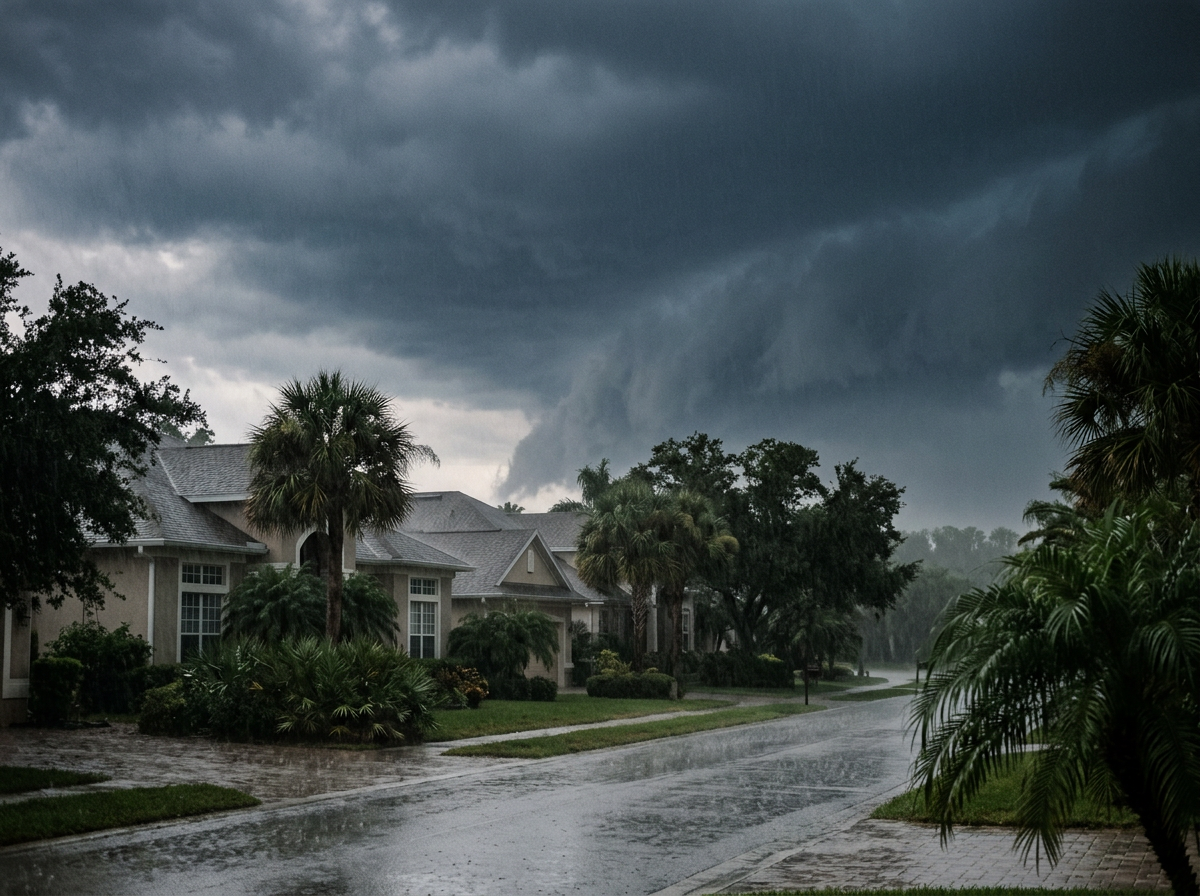
The Complete Florida Emergency Planning Guide
Learn how to prepare your family, protect your home, and stay informed before, during, and after emergencies in Florida.
Why Every Florida Family Needs an Emergency Plan
Emergencies often happen with little warning. A written family emergency plan helps everyone know what to do, where to go, and how to communicate if you're separated.
Your plan should include:
Emergency contact information
Meeting locations
Evacuation routes
Shelter options
Pet care plans
Medical information
Out-of-state emergency contacts
Review and update your plan at least once a year.
Build a Florida Emergency Supply Kit
Every household should have enough supplies to be self-sufficient for at least seven days after a major disaster.
Consider including:
Essentials
Drinking water (one gallon per person, per day)
Non-perishable food
Manual can opener
First-aid kit
Prescription medications
Flashlights
Extra batteries
Portable phone chargers
Battery-powered or hand-crank weather radio
Important Documents
Keep copies of:
Driver's licenses
Passports
Insurance policies
Home inventory
Medical records
Birth certificates
Property deeds
Emergency contact list
Store digital copies in secure cloud storage as a backup.
Know Your Evacuation Zone
Not every Florida resident will be asked to evacuate during a hurricane.
Evacuation decisions are typically based on:
Storm surge risk
Flooding potential
Manufactured housing
Coastal location
Local emergency management recommendations
Know your evacuation zone before hurricane season begins.
Stay Informed During Emergencies
Reliable information can save lives.
Follow updates from:
National Hurricane Center
National Weather Service
Florida Division of Emergency Management
Your county emergency management office
Local television and radio stations
Enable Wireless Emergency Alerts on your phone and consider signing up for your county's emergency notification system.
Preparing Your Home
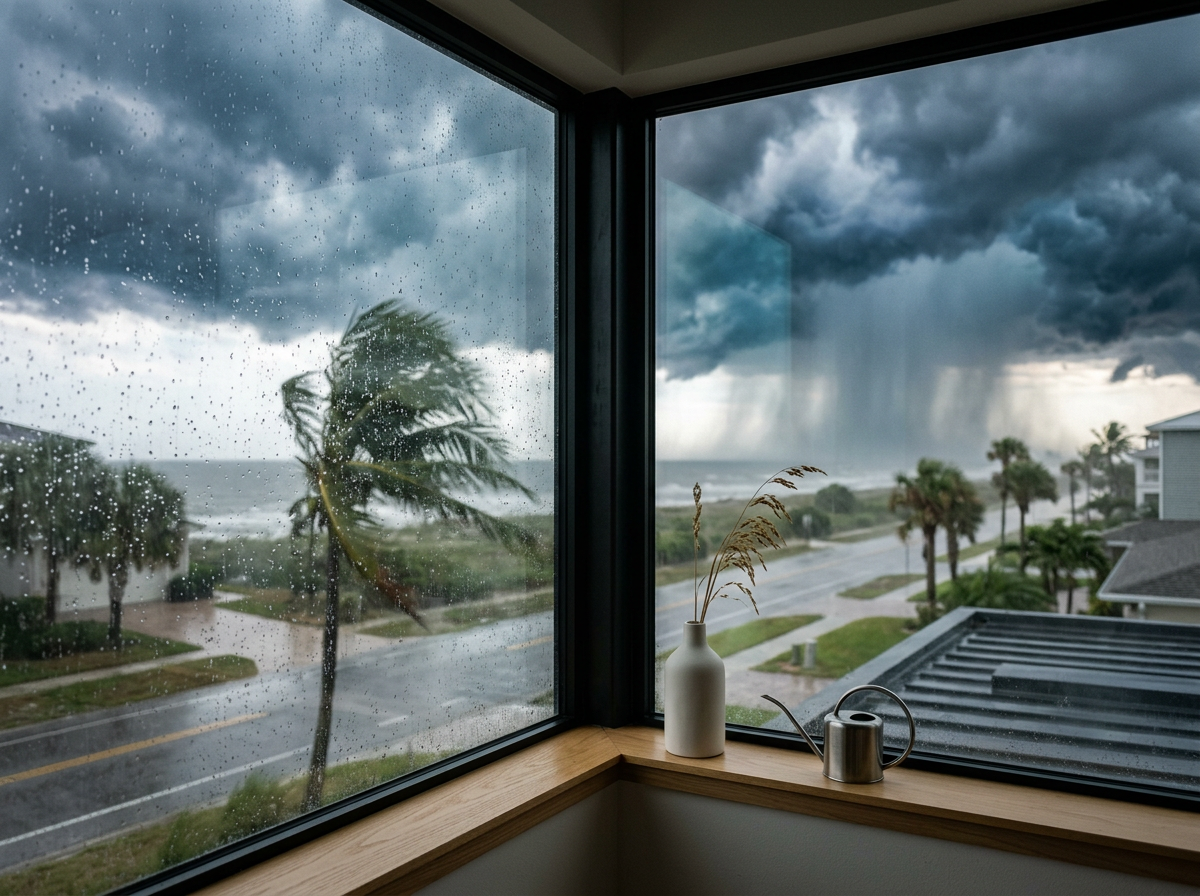
Before severe weather arrives:
Secure outdoor furniture.
Trim dead tree branches.
Test smoke and carbon monoxide detectors.
Know how to shut off utilities if necessary.
Review your insurance policies.
Photograph your belongings.
Back up important computer files.
Preparation is much easier before a storm is approaching.
After the Storm
When it's safe to return:
Avoid floodwater.
Watch for downed power lines.
Document property damage with photos.
Contact your insurance company promptly.
Avoid unnecessary travel.
Follow local officials' instructions.
Never enter a damaged structure until it has been declared safe.
Don't Forget Your Pets
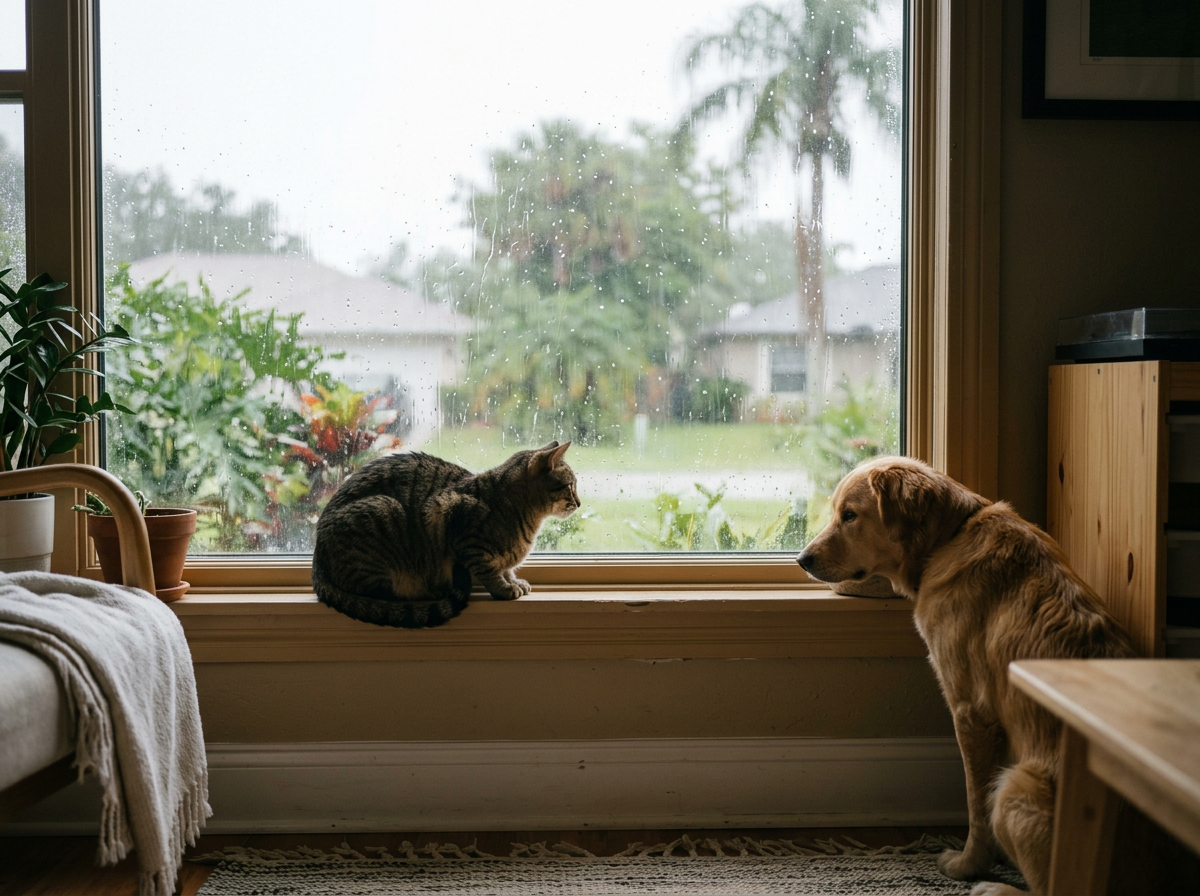
Include your pets in your emergency planning.
Pack:
Food
Water
Medications
Vaccination records
Leashes
Carriers
Waste supplies
Favorite toys or blankets
Never leave pets behind during an evacuation.
Prepare Before the Next Storm.
Emergency planning isn't just about supplies—it's also about making sure your financial protection is ready when you need it most. Reviewing your homeowners, flood, auto, and umbrella insurance before hurricane season can help you recover more quickly if disaster strikes.
Your Questions, Answered
-
Emergency officials recommend at least one gallon of water per person per day for a minimum of seven days.
-
No. Only evacuate if local officials issue an evacuation order or conditions make staying unsafe.
-
Check your supplies at least once a year and replace expired food, water, batteries, and medications.
-
Keep copies of insurance policies, identification, medical records, financial documents, and property records in a waterproof container and backed up digitally.
-
Yes. Power outages can make credit card systems and ATMs unavailable after major storms.