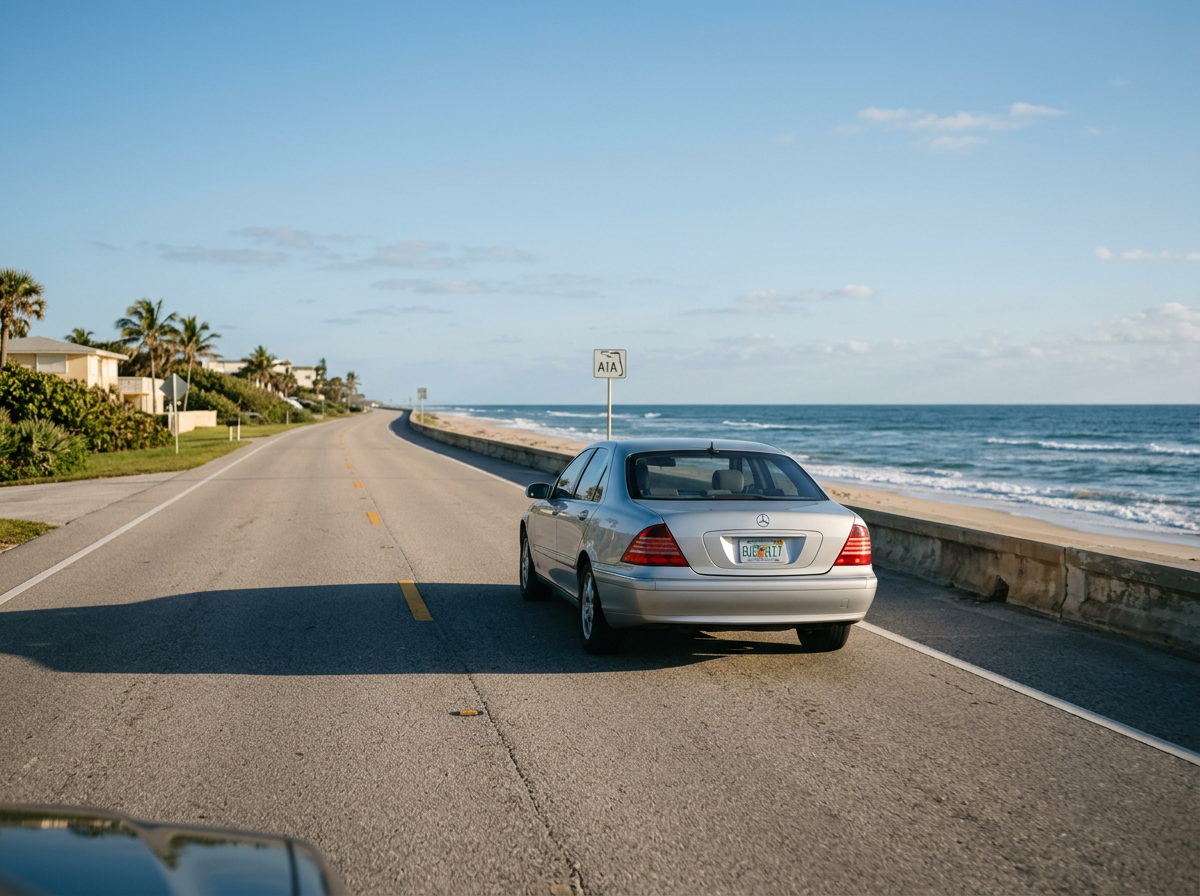
The Complete Florida Auto Insurance Guide
Everything You Need to Know About Auto Insurance in Florida
Why Auto Insurance Matters
Your vehicle is more than just transportation—it's how you get to work, pick up your children, run errands, and explore everything Florida has to offer.
The right auto insurance can help protect you financially after:
Vehicle accidents
Property damage
Vehicle theft
Vandalism
Severe weather
Falling objects
Animal collisions
Fire
More importantly, it can help protect your savings if you're found legally responsible for causing damage or injuries to others.
Is Auto Insurance Required in Florida?
Yes.
Florida law requires most drivers to carry minimum levels of auto insurance before registering a vehicle.
Florida's required minimum coverages generally include:
Personal Injury Protection (PIP): $10,000
Property Damage Liability (PDL): $10,000
These are the legal minimums—but many drivers choose higher levels of protection because the minimum coverage may not be enough after a serious accident.
Understanding Florida's No-Fault Insurance System
Florida is one of a handful of states that follows a no-fault auto insurance system.
This means that after many accidents, your own Personal Injury Protection (PIP) coverage helps pay for your medical expenses, regardless of who caused the accident, up to your policy limits and subject to Florida law.
However, no-fault does not mean no one is ever responsible. In serious injury cases, lawsuits may still be possible under Florida's legal thresholds.
Types of Auto Insurance Coverage
Personal Injury Protection (PIP)
PIP helps pay for certain medical expenses and lost wages for you and eligible passengers after an accident, regardless of fault, subject to your policy and Florida law.
Property Damage Liability (PDL)
This coverage helps pay for damage you cause to someone else's property, such as another vehicle, a fence, or a building.
Bodily Injury Liability (BI)
Although Florida does not require most drivers to carry Bodily Injury Liability coverage, many insurance professionals strongly recommend it.
If you're responsible for seriously injuring someone, BI coverage can help pay for:
Medical expenses
Legal defense costs
Settlements or judgments (up to your policy limits)
Without BI coverage, you may be personally responsible for these costs.
Collision Coverage
Collision coverage helps pay to repair or replace your own vehicle after a collision, regardless of fault, subject to your deductible and policy terms.
Comprehensive Coverage
Comprehensive coverage helps protect against damage that's not caused by a collision, including:
Theft
Fire
Hail
Falling trees
Flooding
Vandalism
Animal strikes
Uninsured & Underinsured Motorist Coverage
Not every driver carries adequate insurance.
Uninsured/Underinsured Motorist (UM/UIM) coverage can help protect you if you're injured by a driver who has no insurance or not enough insurance to cover your damages.
Many insurance professionals consider this one of the most valuable optional coverages available.
Roadside Assistance
Roadside assistance may help if you experience:
Flat tires
Dead battery
Lockouts
Running out of fuel
Minor mechanical breakdowns
Towing to a nearby repair facility
Rental Reimbursement
If your vehicle is being repaired after a covered claim, rental reimbursement coverage can help pay for the cost of a temporary rental vehicle, subject to your policy limits.
How Much Auto Insurance Do You Need?
The right amount of coverage depends on factors such as:
Your assets
Your income
Your vehicle's value
How much you drive
Whether you have teenage drivers
Whether you own a home
Your tolerance for financial risk
While minimum coverage may satisfy Florida law, it may not provide sufficient protection in every situation.
Factors That Affect Your Premium
Insurance companies consider many factors when determining premiums, including:
Driving history
Age
Vehicle type
ZIP code
Annual mileage
Claims history
Credit-based insurance score (where permitted)
Selected coverages
Deductibles
Each insurer weighs these factors differently, so rates can vary.
Ways to Save on Auto Insurance
You may be able to reduce your premium by:
Bundling home and auto insurance
Maintaining a clean driving record
Increasing your deductible
Taking advantage of available discounts
Insuring multiple vehicles together
Reviewing your policy annually
Asking about telematics or safe driving programs
The best savings often come from reviewing your coverage with a knowledgeable insurance advisor.
When Should You Review Your Policy?
It's a good idea to review your auto insurance whenever you:
Move to Florida
Buy a new vehicle
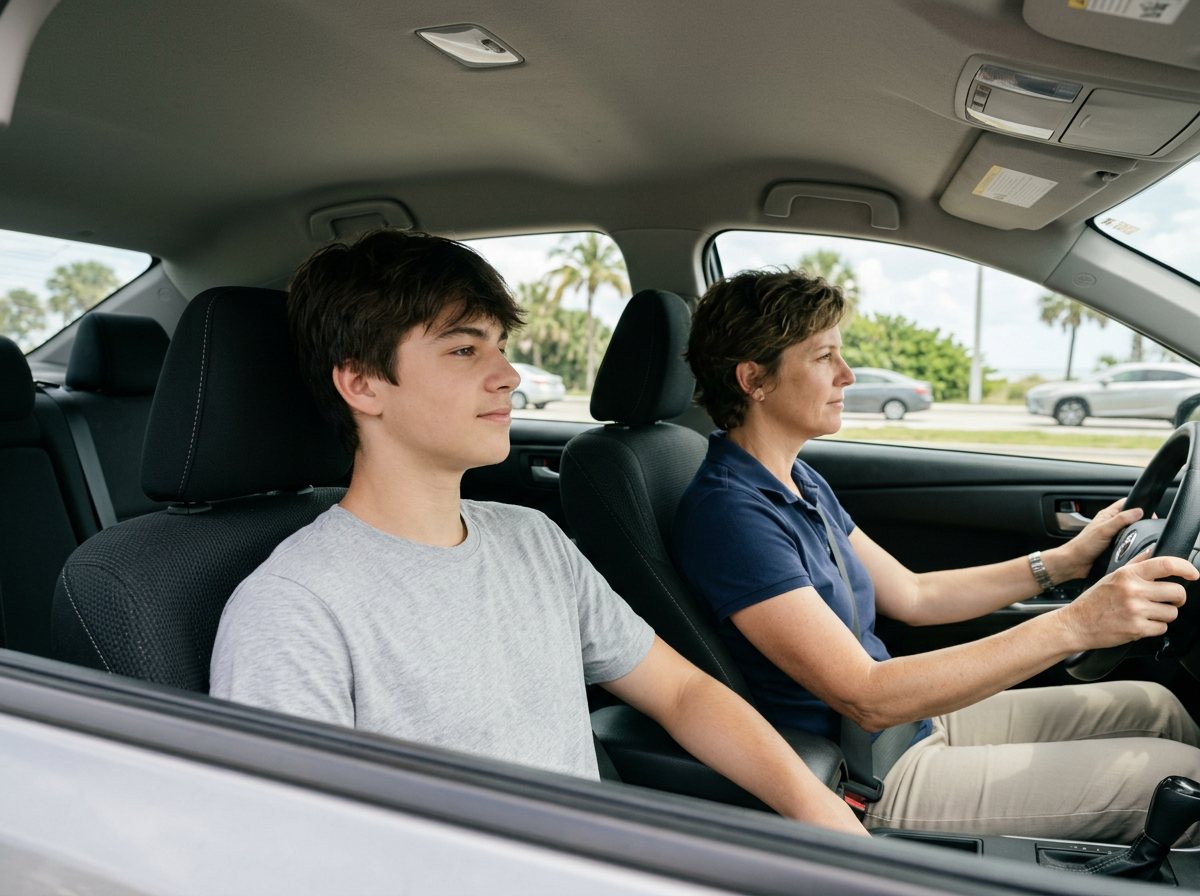
Add a teenage driver
Get married
Get divorced
Purchase a home
Retire
Start a business
Add an umbrella policy
Life changes often mean your insurance needs change too.

It’s time to Review Your Auto Insurance.
Whether you've recently moved to Florida, purchased a new vehicle, or simply want to make sure your policy still fits your needs, reviewing your coverage with a trusted insurance advisor can help you make informed decisions.
The team at Ted Todd Insurance can explain your options, identify potential coverage gaps, and help you build an auto insurance policy that protects what matters most.
Your Questions, Answered
-
Most Florida drivers must carry at least $10,000 in Personal Injury Protection (PIP) and $10,000 in Property Damage Liability (PDL) to register and operate a vehicle legally.
-
Yes. Florida's no-fault system means your own PIP coverage generally pays certain medical expenses after an accident, regardless of fault, subject to policy terms and state law.
-
While not required for most drivers, Bodily Injury Liability coverage is widely recommended because it helps protect you if you're legally responsible for injuring someone else.
-
If you carry comprehensive coverage, it may help pay for damage caused by hurricanes, flooding from wind-driven rain, falling trees, hail, or other covered events, subject to your policy. Flooding circumstances can vary, so review your policy with your insurer.
-
Yes, if you have comprehensive coverage.
-
It depends on the policy, your relationship to the owner, and whether you had permission. Coverage can vary by insurer and circumstances.
-
Many insurance professionals recommend it because it can provide valuable protection if you're injured by an uninsured or underinsured driver.